Coins and values
Rarity scores and coin values
What the score out of 10 means, where values come from, and why the coin in your change is usually worth 50p.
Published 22 September 2026
The rarity score
Every coin carries a rarity score from 1 to 10, shown on its coin page and on every card in Browse. It is worked out from how many were struck, how old the coin is, and what collectors actually pay for it above face value.
A low mintage on its own does not make a coin valuable — people have to want it too. The score combines both, which is why two coins with similar mintages can score differently.
A score of 10 is genuinely rare. Most coins that turn up in change score in the low numbers, and that is normal — it is also why the £5 add-on rule exists on the marketplace.
Where values come from
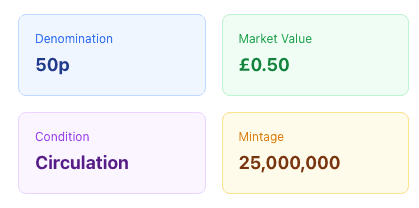
The market value on a coin page is an estimate of what the coin changes hands for in collector condition — not what a shop would pay you, and not face value.
Condition changes the number substantially, which is why each version is catalogued separately. Record the right one when you add a coin you own, or your collection total will not mean much.
The coin values guide goes further into what moves a price — mintage, condition, metal content and demand — and rare 50p coins covers the ones worth checking your change for.
- Values are estimates for guidance, not offers or valuations.
- What a coin sells for on the day depends on condition, timing and who is looking.
- For coins with precious metal content, the metal value moves with the market and is shown live.
Using a value to set a price
If you are listing a coin for sale, the catalogue value is a starting point rather than an answer — condition and photographs move a real sale price more than the estimate does.
Work out what you will actually receive before you set a number: the seller commission is 6%, and a coin priced under £5 sells as an add-on rather than on its own.